


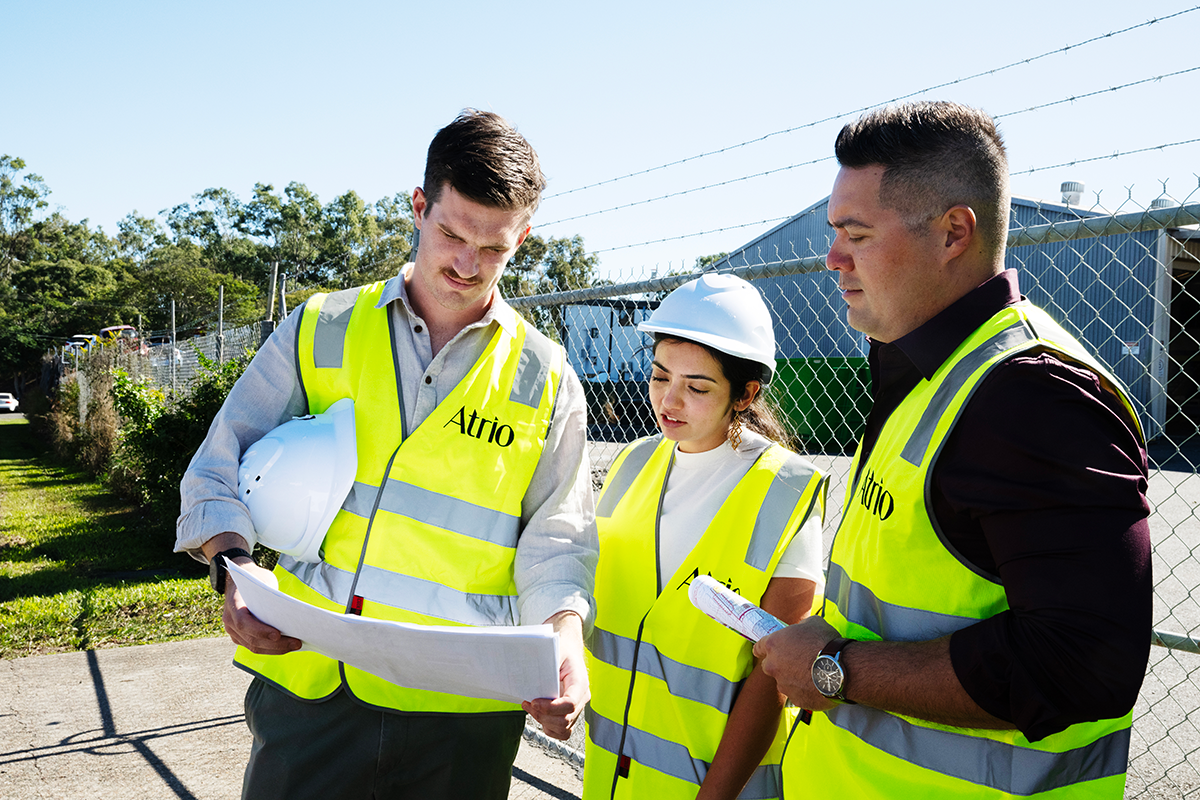
If you're working on a property project, two roles you'll hear mentioned often are property development manager and project manager. The titles sound similar enough that they get used interchangeably, but the work involved is genuinely different, and so is the kind of project that benefits from each. Here's a plain-English look at what each role actually does, where they overlap, and how to work out which one your project needs.
What is a property development manager?
A property development manager is the person responsible for steering a property project from start to finish. The strategy, the numbers, the approvals, the design decisions, the consultant team, and ultimately the commercial outcome of the project. The role sits above the day-to-day delivery, with a wider field of view.
Think of the development manager as the person sitting in your seat as the developer, but with the experience, the relationships, and the time to actually run the project well. They work on your behalf, are responsible to you for what gets delivered, and stay accountable to the budget, the timeline, and the commercial result.
What does a development manager do day-to-day?
The honest answer is that the role changes depending on the stage of the project. Early on, the development manager is doing site analysis, feasibility work, and figuring out what's commercially possible on a piece of land. Mid-project, they're running the consultant team (planners, engineers, architects, lawyers), coordinating with council, and managing the budget. Toward completion, they're working with sales and marketing teams to bring the finished product to market.
Some of the work that typically falls to a property development manager:
- Site due diligence and feasibility studies
- Setting development strategy and project structure
- Engaging and managing the consultant team
- Lodging and tracking development approvals
- Managing the project budget and cash flow
- Reporting back to the landowner, developer, or investors
- Coordinating with the project manager during construction
- Working with sales and marketing on the project's go-to-market
What does a project manager do?
A project manager runs the construction phase. They're focused on the build itself: the trades, the schedule, the contracts, and the cost of physical delivery. They're usually engaged once approvals are in place and the project is ready to go vertical, and from there, they manage the construction contract, coordinate trades, control costs, and resolve build challenges as they come up.
A project manager is responsible for delivering the build on time, on budget, and to the agreed standard. The role is critical, but it sits inside a narrower window than the development manager's.
Property development manager vs project manager: the key difference
The cleanest way to think about it: the development manager runs the development; the project manager runs the build. The development manager is involved much earlier (often before the site is even purchased) and stays involved much later (through to the last lot or unit being sold). The project manager is involved during construction.
On larger projects, you'll often have both roles in play. The development manager is responsible for the overall commercial outcome, while the project manager is responsible for the delivery of the physical works. The project manager typically reports to the development manager or directly to the developer. Both roles work alongside each other, but the scope and the accountability are different.
Which one does your project actually need?
If your project is mainly about getting something built (a known site, approved plans, a clear scope, and a builder lined up), a project manager on its own may be enough. The work ahead is essentially construction delivery, and that's exactly what a project manager is set up to do well.
If your project is still in its early stages, or it's complex (mixed-use, staged delivery, awkward planning constraints, multiple stakeholders), a property development manager is usually the right call. They'll shape the strategy, run the approvals process, manage the consultant team, and protect the commercial outcome the whole way through. On larger projects, they'll bring in a project manager during construction and coordinate with them through to completion.
A few signs you'll get value from a property development manager:
- You're a landowner with a site you've never developed before, and you want to understand what's actually possible.
- You're a developer with multiple projects on the go and not enough hours in the week to give each one proper attention.
- The project is complex, or sits in a planning environment you don't have deep experience with.
- You're early in the process and want someone to help shape the strategy before you commit serious capital.
In a lot of cases, the most valuable work a development manager does happens in the first few weeks of a project, before any approvals or construction. That's where the decisions that make or break a project's profitability tend to get made.
Working with the Atrio team
At Atrio, our team includes both property development managers and qualified project managers, and we work across residential, commercial, and industrial projects throughout Brisbane, South East Queensland, and Northern NSW. We act on behalf of landowners and developers from the earliest site conversations through to delivery and sales, and we adjust our role to suit the job in front of us.
If you're not sure which role your project needs, we're happy to have that conversation. A practical first step for many landowners is our Development Potential Report. It's a written assessment from our in-house team covering site potential, planning considerations, likely yield, and what the path forward looks like.
Based in Southeast Queensland, Atrio works with developers, investors and landowners locally and across Australia to acquire, negotiate and deliver exceptional property projects. Atrio’s team spans a range of disciplines including development and project management, design, town planning, property economics, construction management, sales and marketing – ensuring the experience and technical expertise to cover projects from large residential subdivisions through to industrial, commercial and boutique developments.